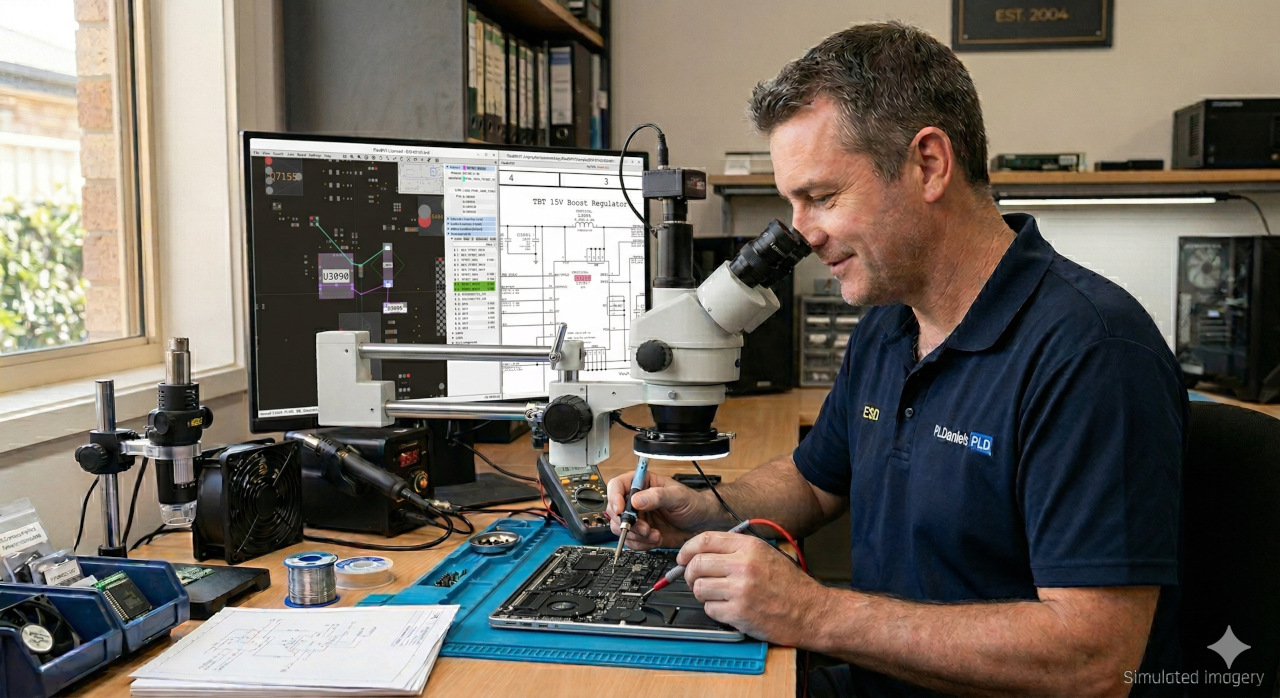
Engineered to slash the friction of repairs. Unifying boardview and schematic into a coupled interface. Cross-reference components and trace complex power rails in milliseconds, not minutes. FlexBV5 gives you back the most valuable asset in your shop: Your time.
Software You Own: Perpetual license. No subscriptions. No cloud-dependency.
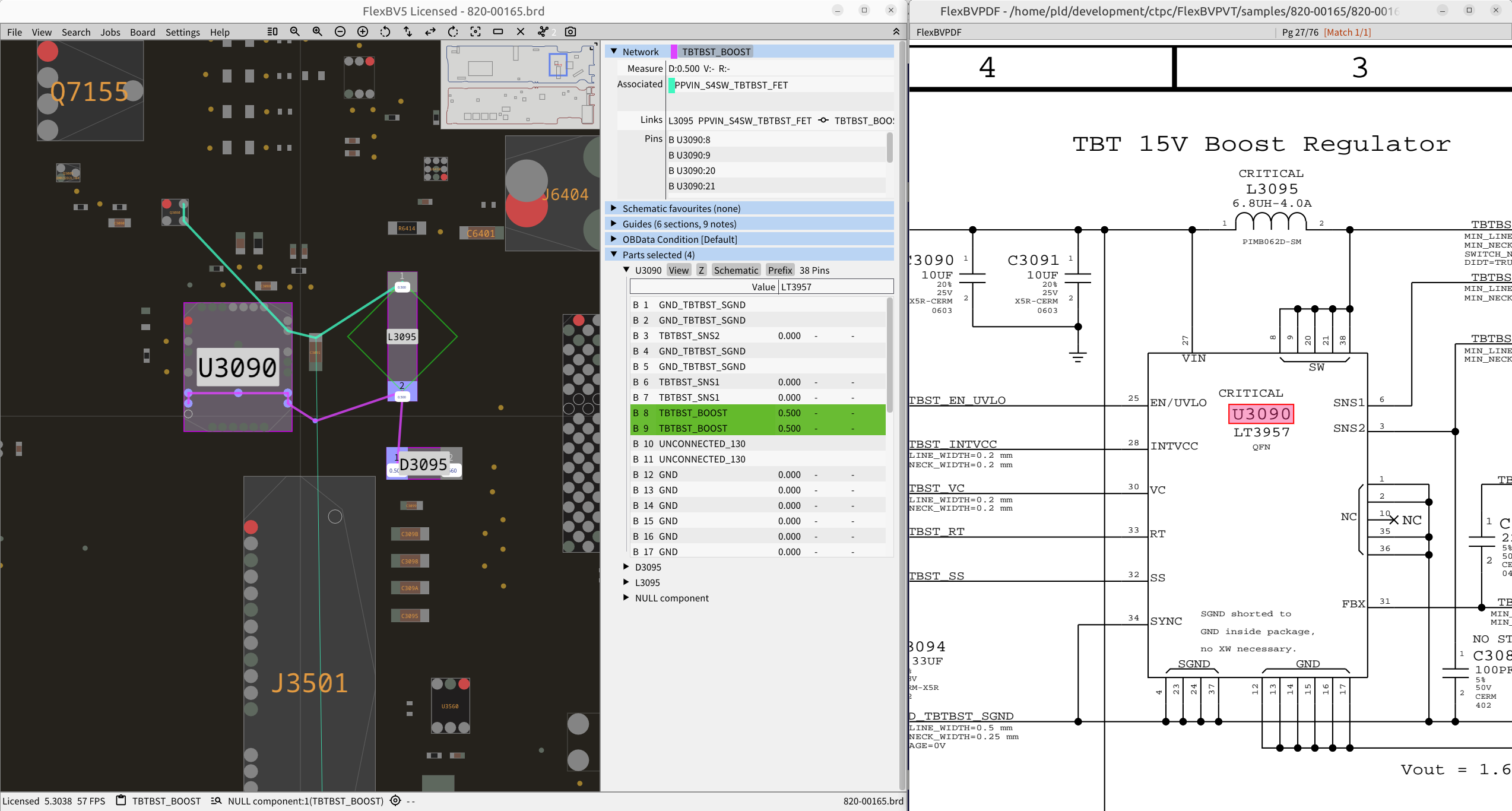
Perform board-level repairs with synchronized PDF schematics and part tracking.
For Rework Teams
Integrate in-house systems with our SQLite3 job database and offline capability.
For Enthusiasts
A superior, faster alternative to OpenBoardView with native SDL3 performance.
Professionals should own their tools. FlexBV5 is a perpetual license—once you buy it, it is yours. There are no monthly fees, no mandatory cloud logins, and no "subscription anxiety". You get a native binary that runs locally on your machine, ensuring your workflow remains functional even when your internet doesn't.
Professional Feature Set
terminal
Industry-Leading Decoding
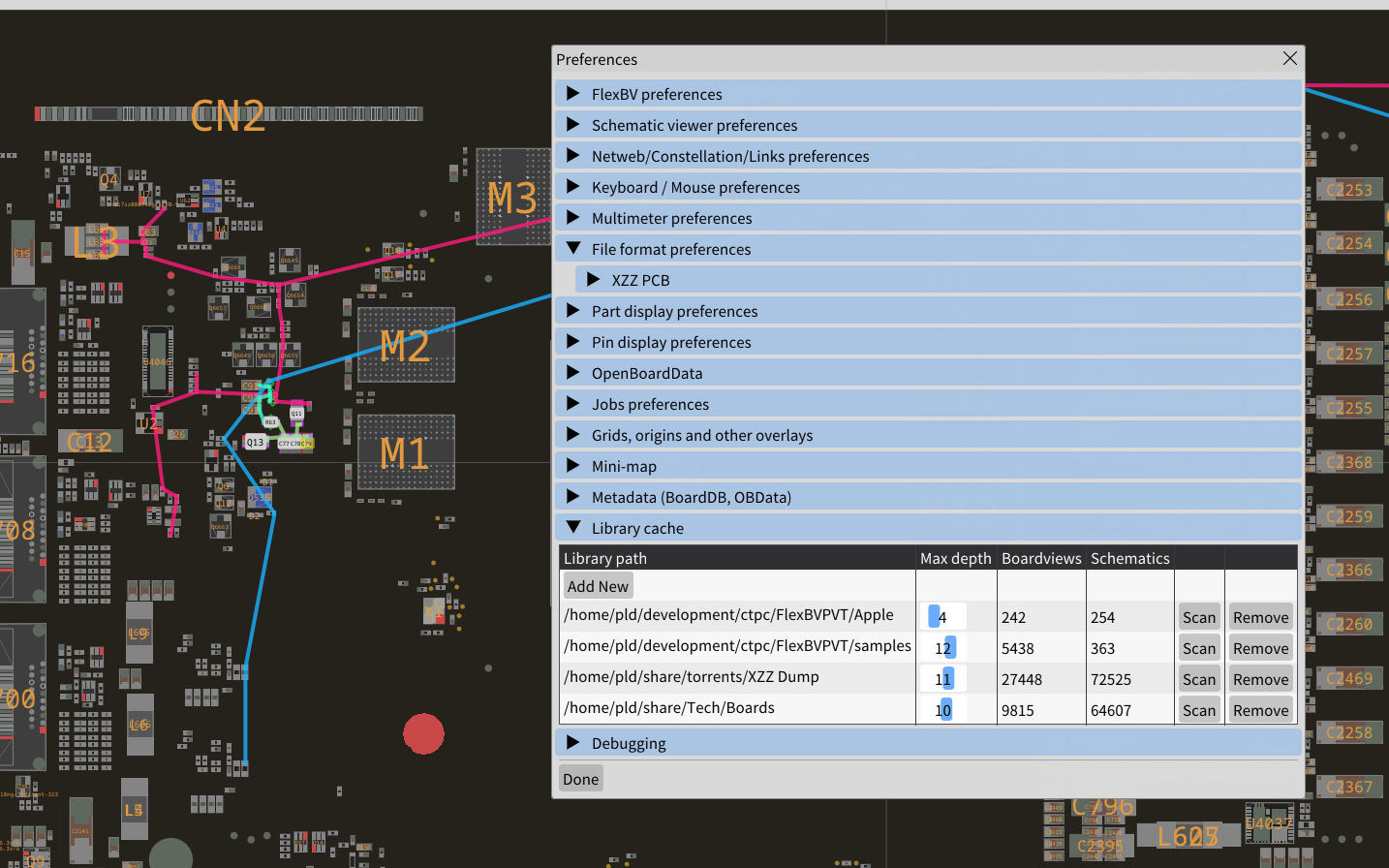
The most expansive file support on the market. FlexBV5 natively decodes over 15+ formats including .BRD, .BDV, .BV, .FZ, .CAD, .GR, and many proprietary OEM types.
picture_as_pdf
Smart PDF Integration
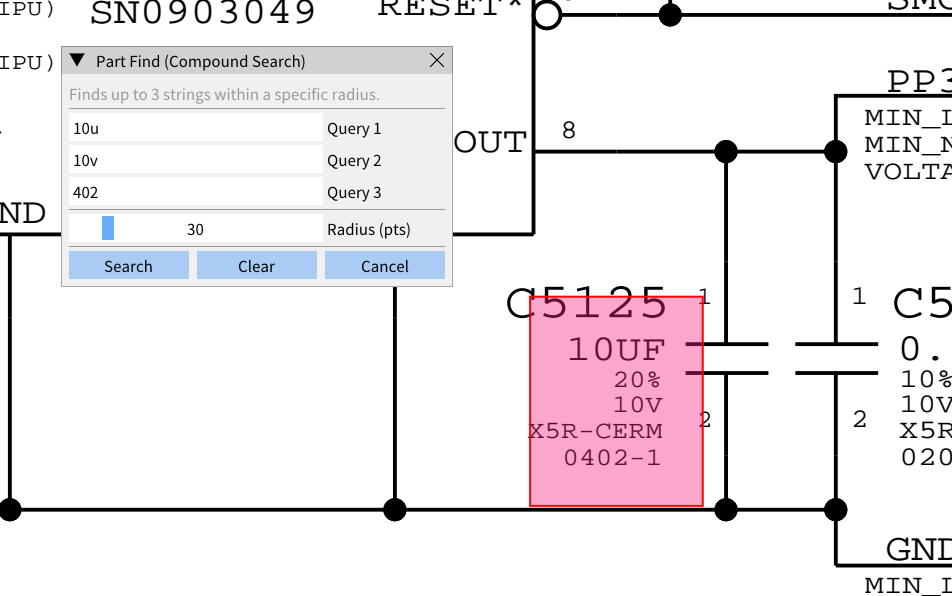
Synchronize boardview parts and nets with schematic PDF pages automatically. Compound search and Part Find to locate parts among your boards.
hub
Mycelium Net Tracking
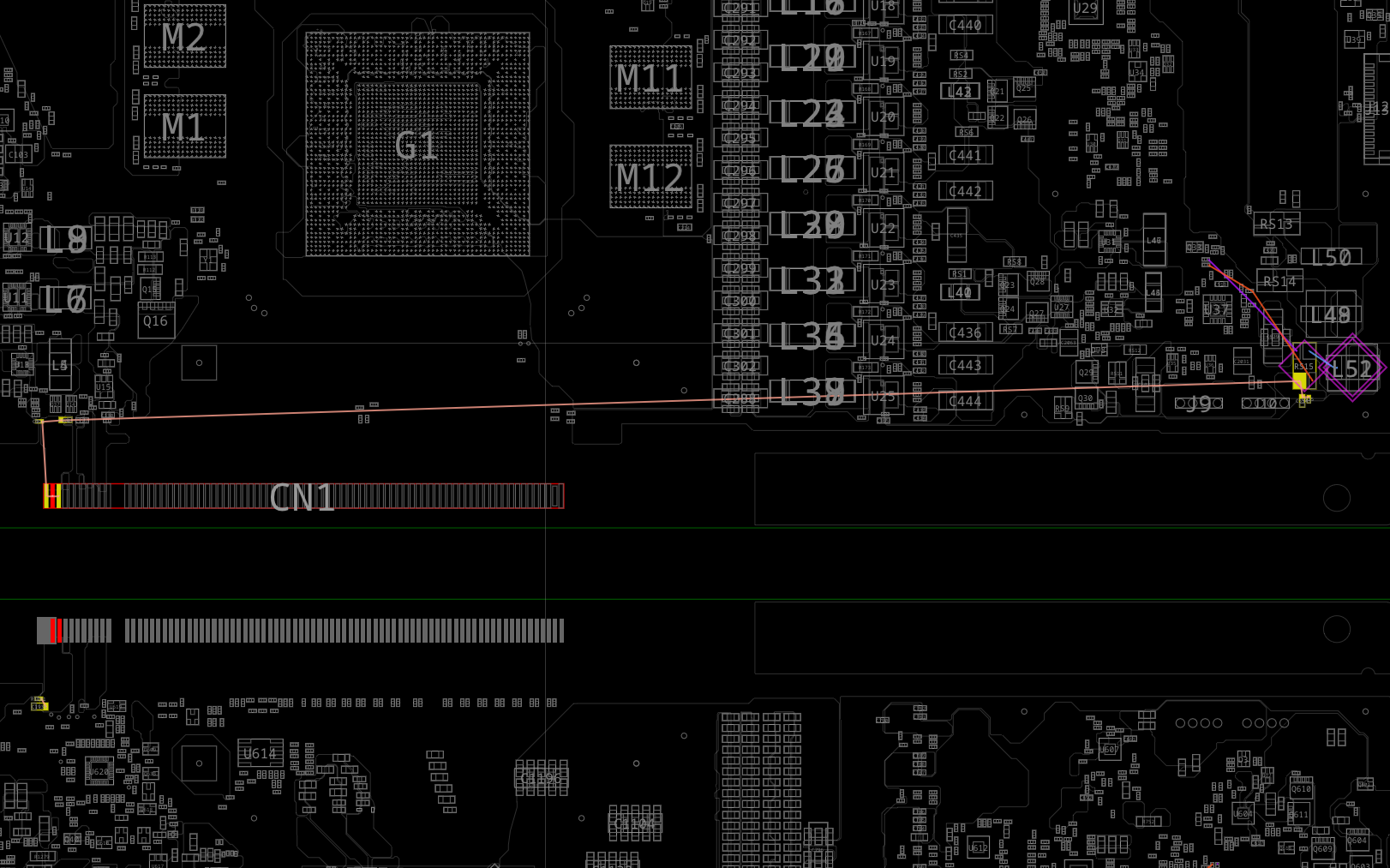
Visualize extended network path expansions through multiple components. See where the network reaches out.
security
Local Data Privacy
Offline operation. No mandatory cloud logins or telemetry.
palette
Customizable UI
Support for high-DPI displays and customizable retro or dark themes.
history_edu
Repair Job Logging
Maintain a searchable SQLite3 database of your repair history and notes.
Despite these shared honors, the Quran strictly repudiates the theological framework of Nicene Christianity:
concerns narratives involving biblical figures. Below are major shared stories where the two texts converge and diverge:
(e.g., Joseph in the Bible vs. Yusuf in the Quran) Detailed theological studies on Jesus's role in both faiths Historical context on the composition of both texts
Beyond the narrative accounts, the moral and ethical frameworks of the Bible and the Quran share an undeniable DNA. 1. Strict Monotheism and the Decalogue
: Functionality to copy individual verses or entire chapters for sharing via other platforms.
Therefore, the Quran functions as the Muhaymin —a guardian, assessor, and criterion over previous scriptures. From the Quranic perspective, where the Bible agrees with the Quran, it preserves original truth; where it disagrees, the Quranic version is regarded as the corrected, final word. 4. Crucial Theological Divergences
Moses is the most frequently mentioned prophet in the Quran. His narrative—comprising his discovery in the Nile, the confrontation with Pharaoh, the plagues of Egypt, the Exodus, and the receiving of the Law—closely mirrors the Book of Exodus, though the Quran emphasizes the spiritual lessons of humility and reliance on God over nationalistic liberation.
How FlexBV5 Compares
Feature
FlexBV Free
FlexBV Professional
Competitors
Cost
Free
$150.00 USD
Subscription
Licence
Non-Expiry
Perpetual Ownership
Annual Fee
PDF Cross-Ref
No
Yes
No
Constellation View
No
Yes
No
Mycelium Extensions
No
Yes
No
Modern UI (SDL3)
Yes
Yes
No
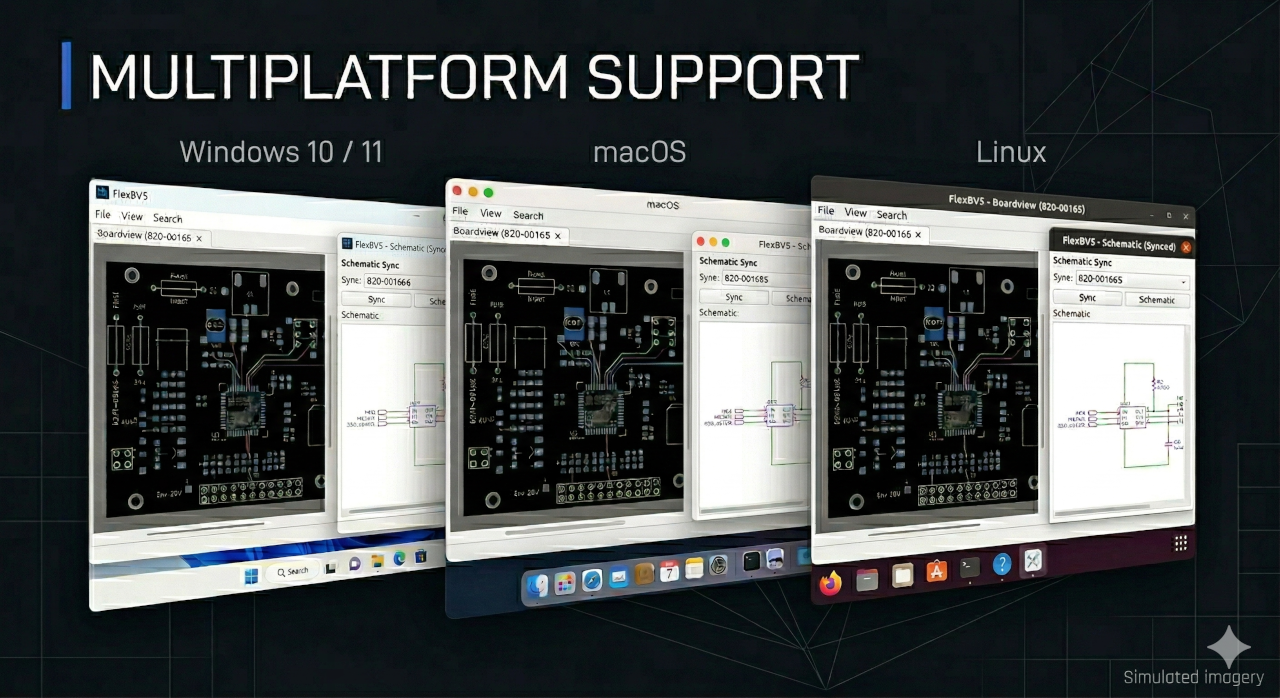
Cross Platform
Yes
Yes
No
Bible Quran Link-full High Quality Version Page
Despite these shared honors, the Quran strictly repudiates the theological framework of Nicene Christianity:
concerns narratives involving biblical figures. Below are major shared stories where the two texts converge and diverge: Bible Quran Link-Full Version
: Functionality to copy individual verses or entire chapters for sharing via other platforms.
Therefore, the Quran functions as the Muhaymin —a guardian, assessor, and criterion over previous scriptures. From the Quranic perspective, where the Bible agrees with the Quran, it preserves original truth; where it disagrees, the Quranic version is regarded as the corrected, final word. 4. Crucial Theological Divergences
Moses is the most frequently mentioned prophet in the Quran. His narrative—comprising his discovery in the Nile, the confrontation with Pharaoh, the plagues of Egypt, the Exodus, and the receiving of the Law—closely mirrors the Book of Exodus, though the Quran emphasizes the spiritual lessons of humility and reliance on God over nationalistic liberation.
Professional Licence
Licence Registration
$150.00 USD
Direct Assistance
Need Support?
English-only technical enquiries. Check the Online Manual first.
 Simulated Imagery