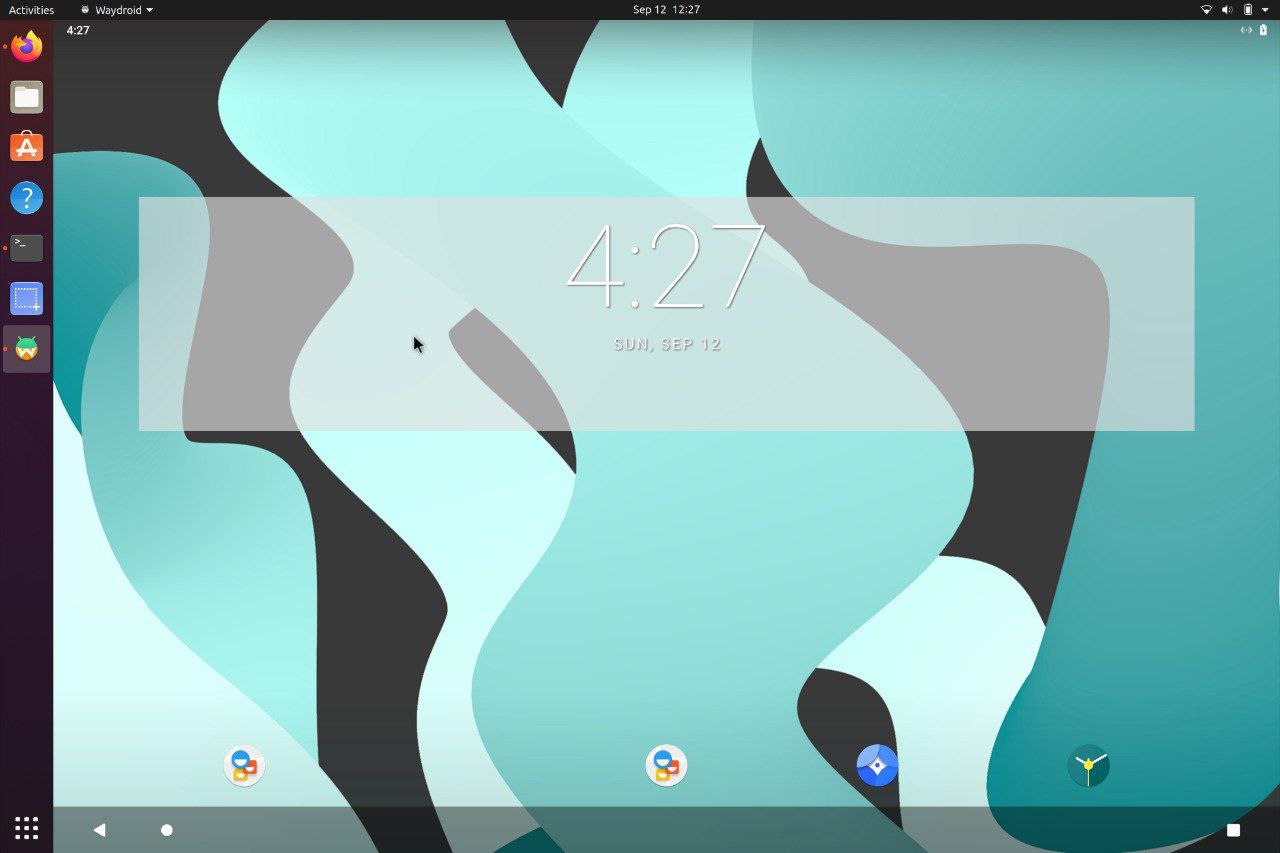
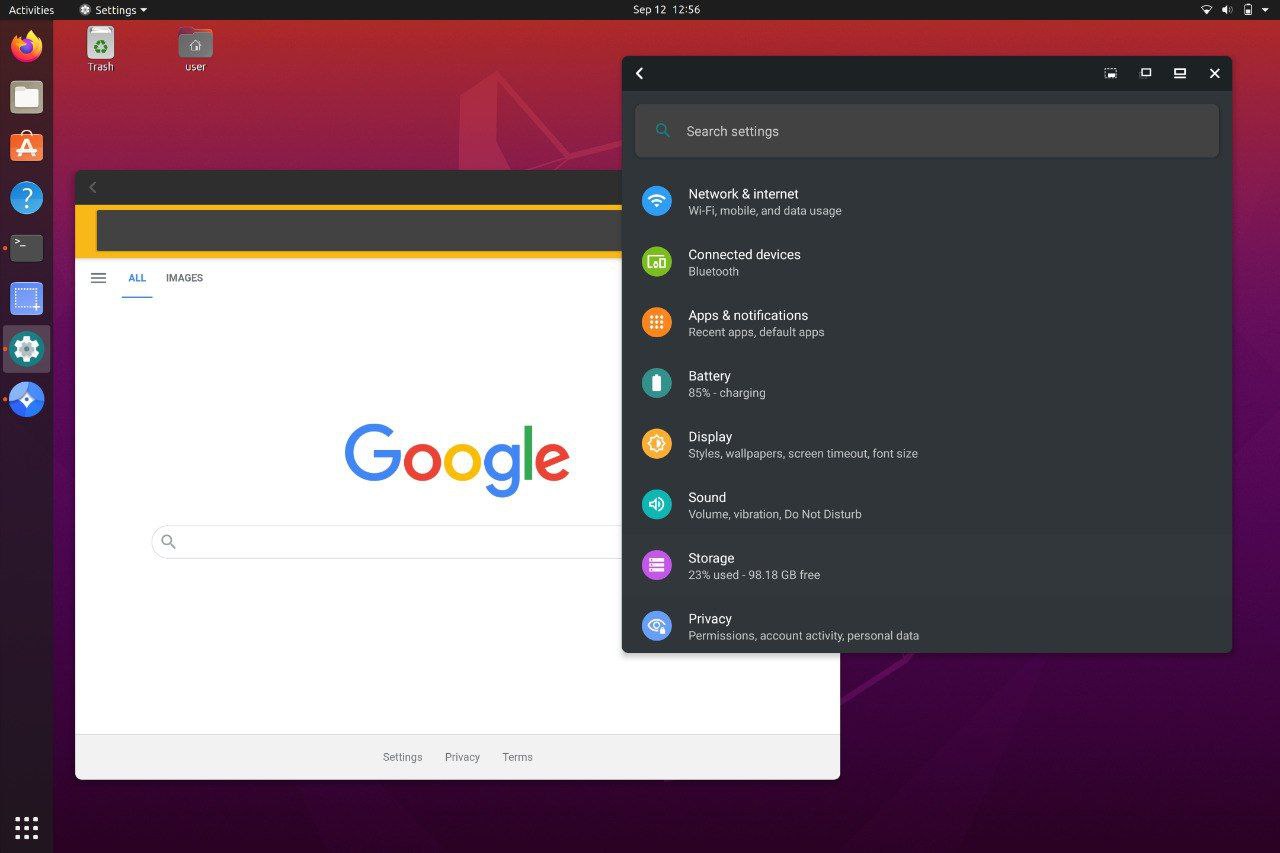
A container-based approach to boot a full Android system on regular GNU/Linux systems running Wayland based desktop environments.
In the digital age, language survival depends not just on spoken words, but on typefaces. For the Sindhi language—a tongue rich in poetry, history, and heritage—the transition from ink to pixels has been a journey of resilience. Among the various contributors to this digital renaissance, stand out as a cornerstone of modern Sindhi typography.
are different. They are: ✅ Built on strict Unicode standards ✅ Tested on Windows, Mac, Android, and iOS ✅ Designed for professional printing
: Developed specifically to ensure that Sindhi text renders correctly across different web browsers, preventing the "broken" look common with standard Arabic fonts.
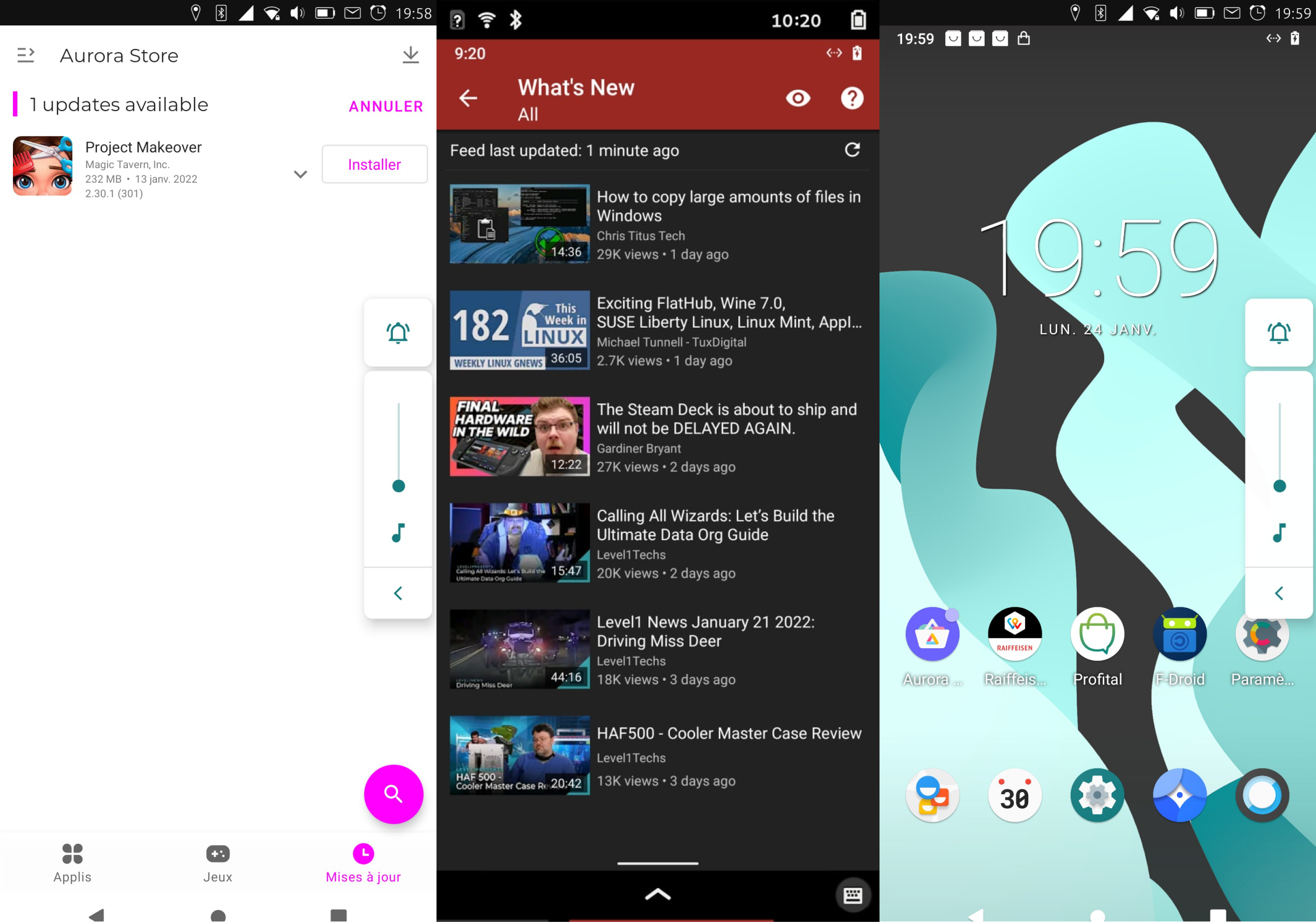
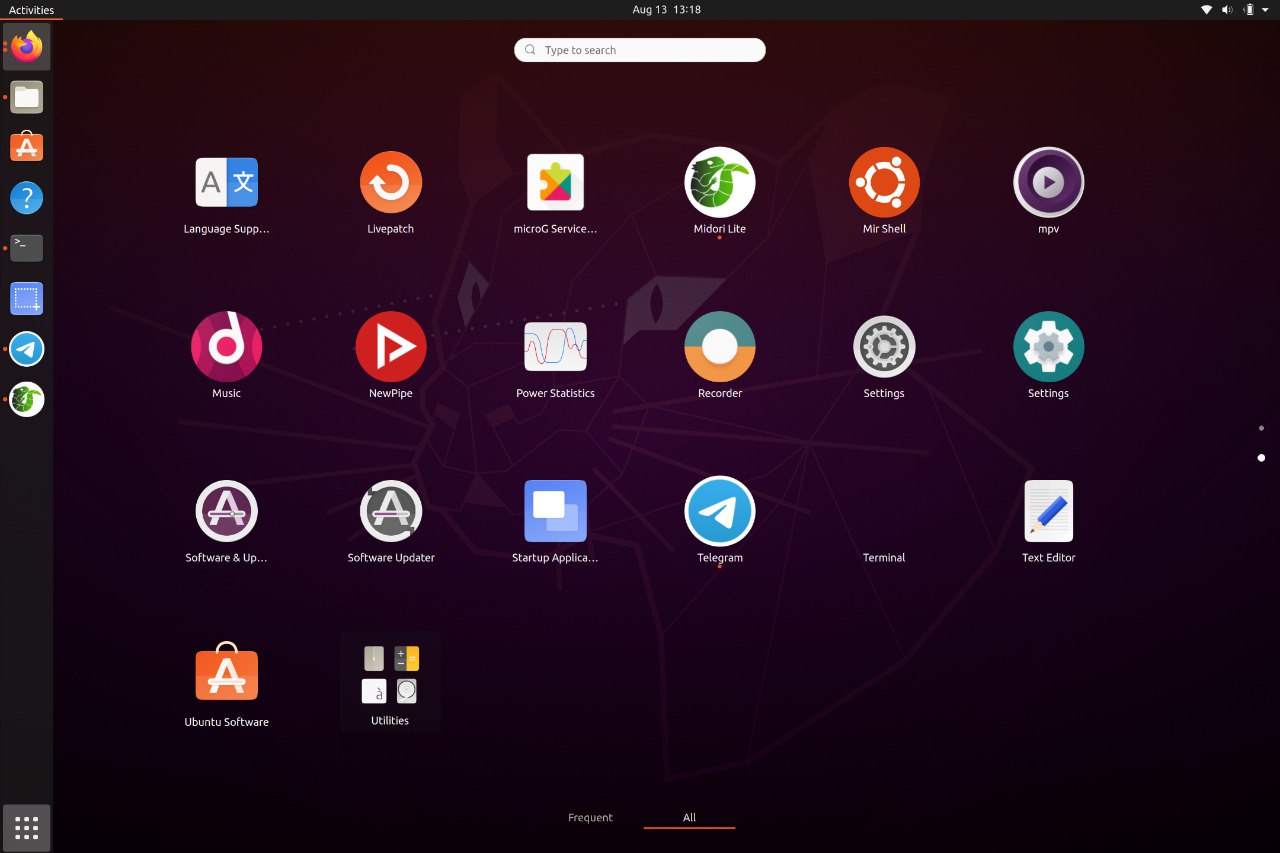
Waydroid brings all the apps you love, right to your desktop, working side by side your Linux applications.
The Android inside the container has direct access to needed hardwares.
The Android runtime environment ships with a minimal customized Android system image based on LineageOS. The used image is currently based on Android 13
Our documentation site can be found at docs.waydro.id
Bug Reports can be filed on our repo Github Repo
Our development repositories are hosted on Github
Please refer to our installation docs for complete installation guide.
You can also manually download our images from
SourceForge
For systemd distributions
Follow the install instructions for your linux distribution. You can find a list in our docs.
After installing you should start the waydroid-container service, if it was not started automatically:
sudo systemctl enable --now waydroid-container
Then launch Waydroid from the applications menu and follow the first-launch wizard.
If prompted, use the following links for System OTA and Vendor OTA:
https://ota.waydro.id/system
https://ota.waydro.id/vendor
For further instructions, please visit the docs site here
In the digital age, language survival depends not just on spoken words, but on typefaces. For the Sindhi language—a tongue rich in poetry, history, and heritage—the transition from ink to pixels has been a journey of resilience. Among the various contributors to this digital renaissance, stand out as a cornerstone of modern Sindhi typography.
are different. They are: ✅ Built on strict Unicode standards ✅ Tested on Windows, Mac, Android, and iOS ✅ Designed for professional printing
: Developed specifically to ensure that Sindhi text renders correctly across different web browsers, preventing the "broken" look common with standard Arabic fonts.
Here are the members of our team